
Do not approve the MTB-CUT M688 solely because it is presented as an automated screen protector machine. The purchasing decision should follow a representative sample trial using the buyer’s intended materials and device models. The M688 combines film cutting, application, and UV curing in one machine, but integration alone does not establish compatibility with every film construction or prove that finished output will meet a buyer’s acceptance standard.
Make the Approval Decision From Samples, Not Labels
A useful validation plan separates stated machine capabilities from the results that matter at the service counter or production station. Buyers should confirm the complete process under realistic operating conditions rather than accepting one successful demonstration.
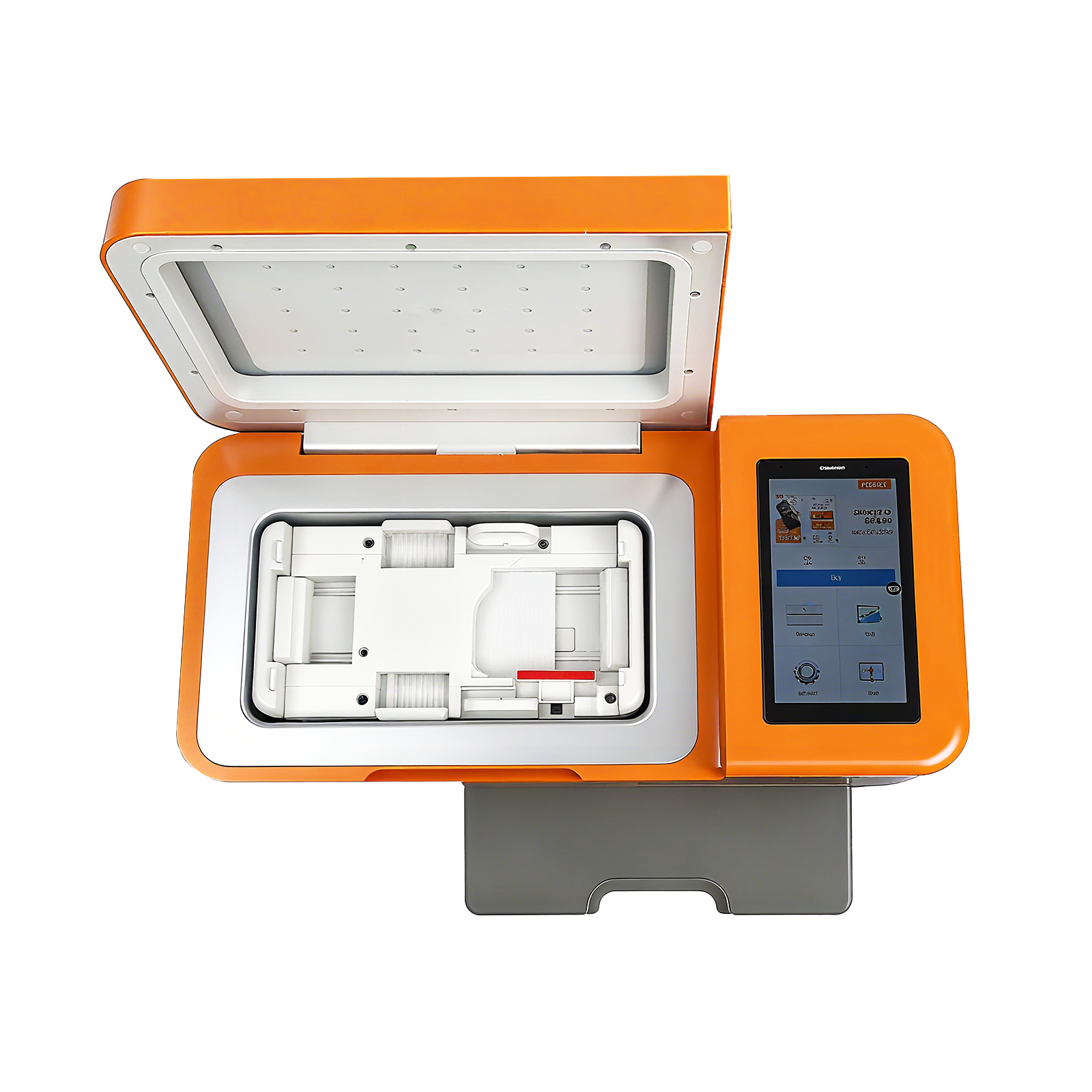
- Test the actual film materials planned for commercial use.
- Include representative device sizes and difficult shapes.
- Define acceptable alignment, edge quality, and surface appearance in advance.
- Repeat each important sample to identify inconsistent output.
This approach also clarifies what “fully automatic” means in practice, including loading, positioning, application, curing, and operator intervention.
Validate Material Compatibility Across the Real Range
The approved product information does not provide a specific compatibility list for film compositions. Buyers therefore should not assume that every material that can be loaded can also be cut, applied, and cured successfully.
Create a sample matrix covering each intended material family, thickness, finish, and adhesive construction. During testing, observe feeding stability, cut cleanliness, release behavior, placement, and the condition of the film after curing. If a material requires special settings or preparation, record those conditions as part of the accepted process rather than treating the result as universally repeatable.
Build a Representative M688 Sample Trial
The M688 supports a maximum cutting size of 14.6 inches, stated as 324.4 × 208.6 mm. A representative trial should include small, medium, and upper-range formats instead of testing only an easy phone model. Buyers considering tablet service should include the tablet sizes they expect to process regularly.
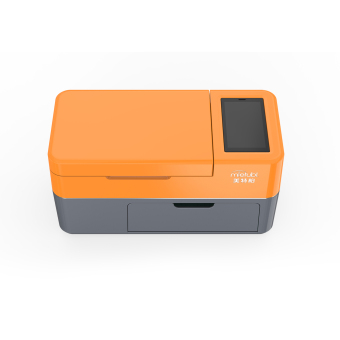
At minimum, the trial set should cover a high-volume model, a model with challenging openings or edges, and a larger device near the intended operating range. Use production-intent film rather than an unidentified demonstration sheet. The machine offers app control and a built-in operating system, so the test should also verify that operators can locate the required model data and complete the guided workflow consistently.
Set Output Acceptance Rules Before Testing
The stated cutting precision is 0.1 mm, but procurement acceptance should be based on finished samples rather than the specification alone. Establish a written inspection checklist before the trial begins.
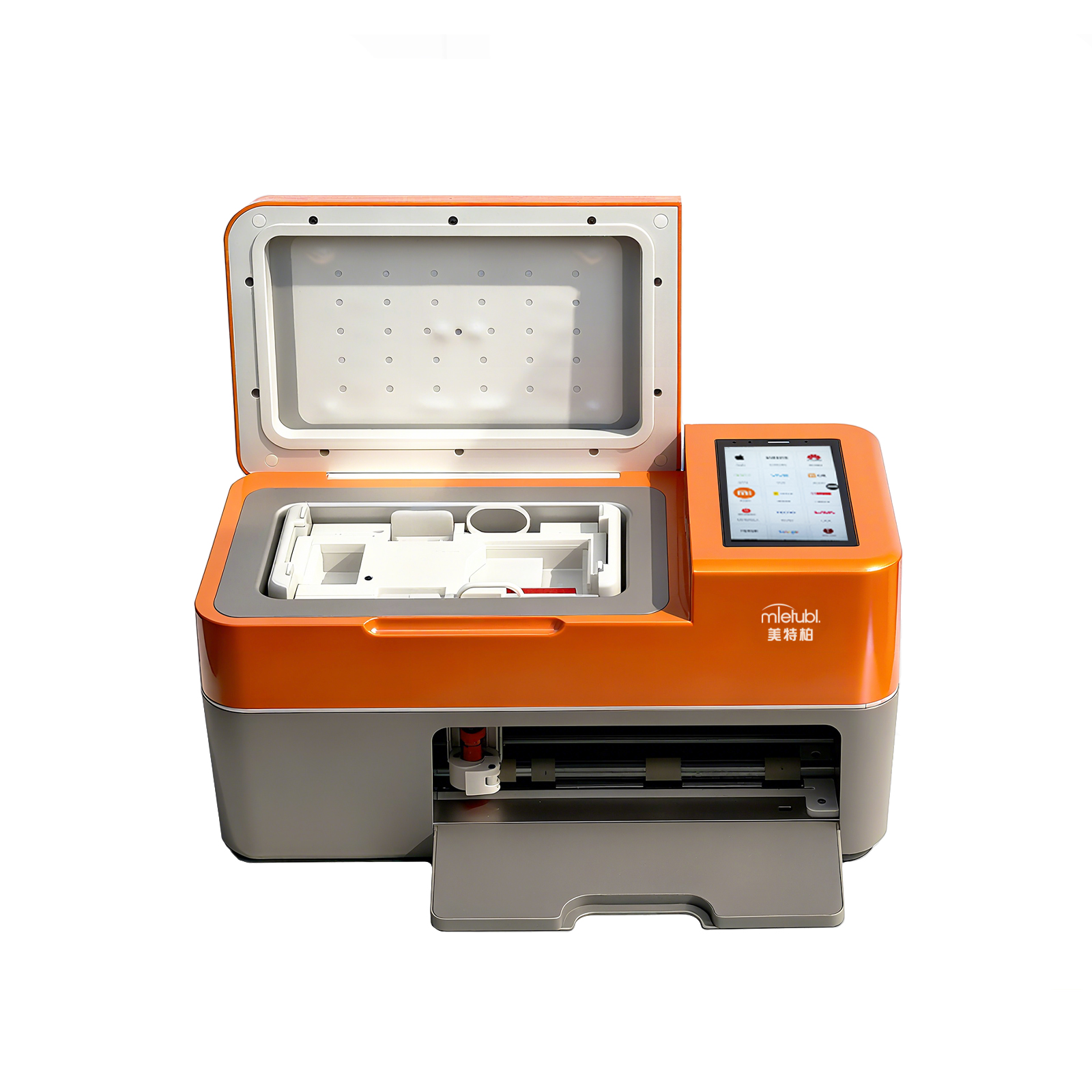
- Fit: Confirm alignment with the screen area, openings, sensors, and edges.
- Cut quality: Reject tearing, incomplete cuts, rough corners, or unwanted marks.
- Application: Define limits for bubbles, dust, creasing, lifting, and visible misalignment.
- Repeatability: Run multiple pieces of the same sample and compare the results.
- Curing result: Inspect appearance and surface condition after the built-in 395 nm UV curing step.
The supplier lists GB/T2828.1 as its quality inspection method. Buyers should still agree on their own sample size, defect definitions, and acceptance threshold for incoming equipment and trial output.
Common Questions
Is the MTB-CUT M688 a fully automatic machine?
It is described as a three-in-one machine integrating cutting, film application, and UV curing, with standardized guided operation. The available information does not establish a completely unattended process. Buyers should document which steps still require loading, positioning, confirmation, or other operator action.
Which screen protector materials can it process?
No specific material compatibility list is provided in the approved product data. Compatibility should be confirmed with samples of every material the buyer intends to sell or process.
What should a supplier sample report include?
Request identification of the device model and film material, the settings used, the number of repeated runs, and clear records of accepted and rejected output. This makes the demonstration more useful for procurement review and later operator training.
Conclusion
The MTB-CUT M688 may suit buyers seeking one guided system for cutting, application, and UV curing, but approval should depend on representative material trials and measurable finished-output criteria. Purchase only after the tested combination of films, device models, operator steps, and acceptance limits reflects the intended commercial workflow.
About Mietubl
Mietubl is a Guangzhou-based mobile accessories brand whose name reflects its guiding idea: Make It Easier To Use, Better Life. With roots in the mobile accessories industry dating to 1998 and the MIETUBL brand registered in 2010, the company focuses on products that make everyday digital use simpler and more practical.
Its portfolio includes screen protectors, intelligent screen protector cutting machines, film materials, data cables, chargers, power banks, and audio accessories. By combining design, product development, manufacturing, and channel support, Mietubl works with distributors and retailers serving a broad range of mobile accessory needs, with products exported to more than 120 countries and regions.
For product information, samples, or distribution opportunities, contact Marketing@mietubl.com or visit www.mietubl.com.
Was this article helpful?
Your feedback helps us improve future articles.