
For buyers managing many designs or device-specific variants, the MTB-CUT M888 is best evaluated as an on-demand production tool rather than another source of finished stock. Its integrated printing and cutting workflow can produce selected phone back films, protective films, photos, labels, and greeting cards after demand appears. It should complement—not automatically replace—finished inventory where material, format, template coverage, or production capacity has not been confirmed.
The Inventory Decision: Produce Selected Variants After Demand
The central purchasing question is whether carrying every finished design and model variant creates avoidable inventory exposure. Because the M888 combines printing and cutting in one machine, retailers and distributors may be able to move part of their assortment from completed products to an on-demand workflow.
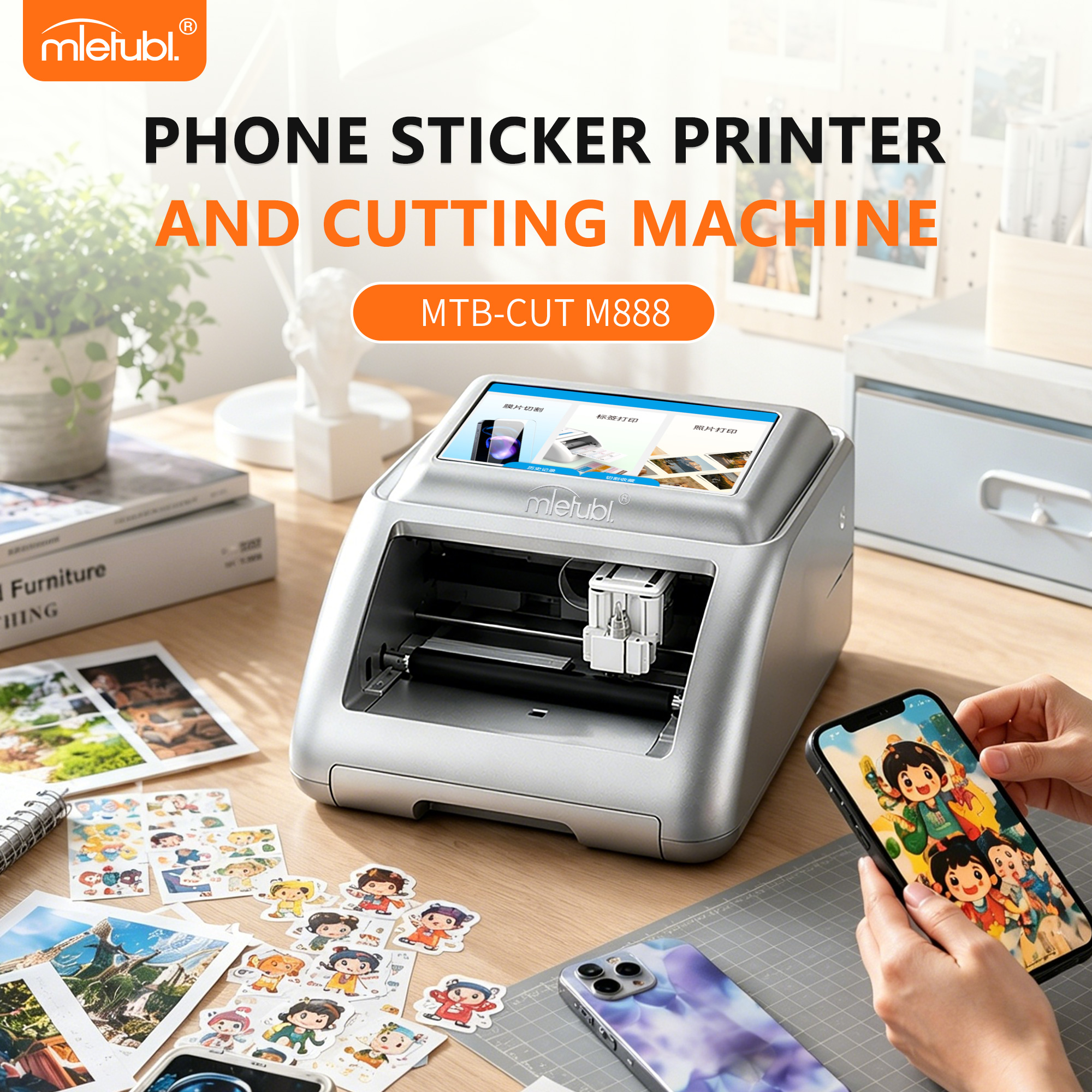
This approach is most relevant when demand is fragmented across designs, personalization requests, or device models. Instead of forecasting the exact sales volume of each finished variant, a business can consider producing eligible items when ordered. The source does not provide throughput or per-item cost data, so buyers should validate whether production speed and operating costs fit their expected order volume.
- Use on-demand production selectively: prioritize variants with uncertain or low-volume demand.
- Keep proven sellers available: finished stock may remain appropriate for high-frequency items requiring immediate fulfillment.
- Confirm format compatibility: the machine’s working dimensions must match the intended product range.
- Test the complete workflow: assess design preparation, printing, contour cutting, and final handling before changing inventory targets.
Which Finished-Stock Exposure May Be Reduced
The M888 supports phone back films, protective films, photos, labels, and greeting cards. This range may help a buyer delay final design selection for eligible products until a customer chooses a model, image, or layout. The benefit is flexibility: fewer decisions need to be locked into finished goods before actual demand is known.
Built-in templates, image uploading, AI background removal, and AI-assisted design generation can also support short-run or personalized work. These functions may be valuable where the assortment changes frequently, but buyers should confirm template availability for their target devices and markets. Template capability should not be treated as universal model coverage unless that coverage is specifically verified.
What Should Remain in Planned Inventory
On-demand capability does not remove the need for inventory planning. Businesses still need suitable production inputs and may need finished products for peak periods, rapid counter service, wholesale orders, or formats the M888 cannot process. The machine has a 138 mm cutting width, a 160 mm feed width, and supports a stated 100 × 148 mm paper size, which establishes practical boundaries for assortment planning.
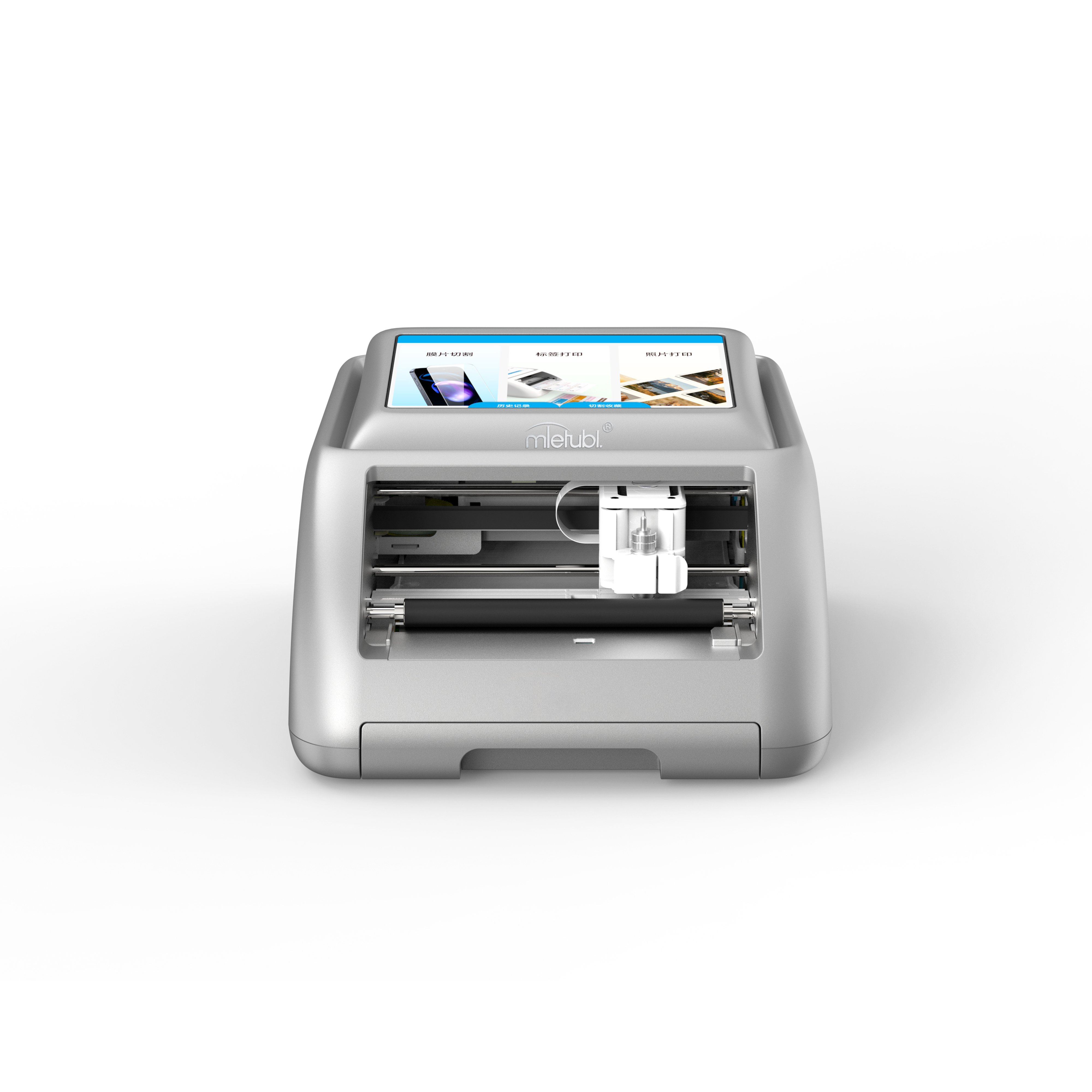
A balanced policy may divide inventory into three groups: consistently stocked finished bestsellers, on-demand variants suited to the M888, and unsupported items sourced through conventional replenishment. This avoids treating one production method as the answer for every category.
Match Production Capability to the Inventory Plan
The M888 provides 300 DPI printing and approximately 0.1 mm contour-cutting precision. These capabilities support detailed printed output and irregular sticker shapes, but samples should be evaluated with the intended media, artwork, and finishing process. Buyers should also test whether results remain consistent across the designs they expect to offer.
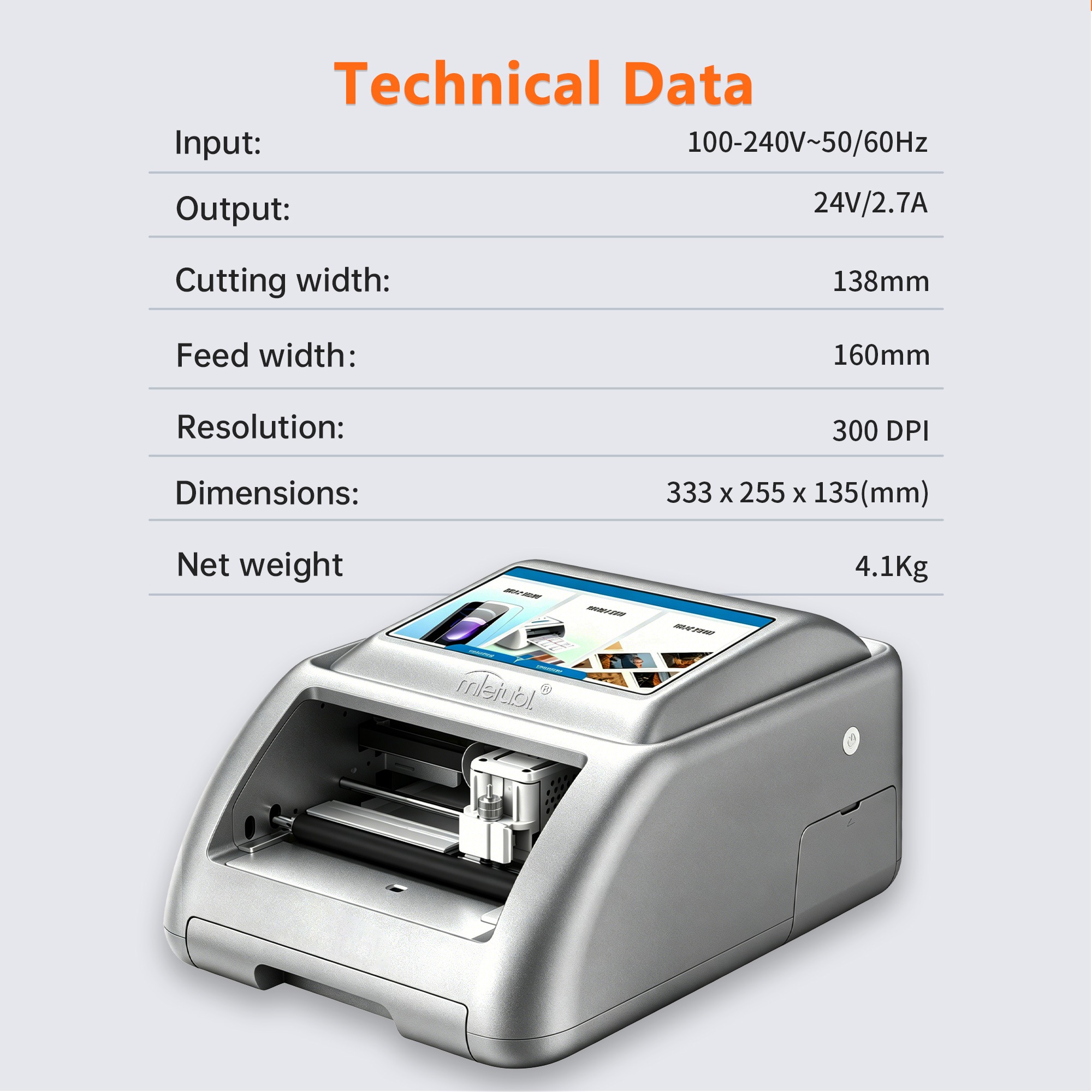
The integrated workflow is intended to reduce separate equipment and operating steps. For inventory planning, that matters because a simpler production sequence may make short runs more practical. However, procurement teams should still calculate labor requirements, consumable availability, spoilage, maintenance, and peak-demand capacity before reducing finished-stock levels.
Common Questions
Can the M888 eliminate model-specific finished stock?
Not necessarily. It may reduce reliance on selected finished variants, but buyers should retain stock where immediate availability, unsupported formats, or unconfirmed template coverage make on-demand production unsuitable.
Which products are most relevant to delayed production?
The approved applications include phone back films, protective films, photos, labels, and greeting cards. Actual suitability depends on the required size, media, design, and finishing process.
What should be tested before changing reorder quantities?
Test representative designs from the planned assortment, including image preparation, printing, contour cutting, operator handling, and completed-output acceptance. Throughput and material compatibility should also be confirmed because those details are not provided.
Conclusion
The MTB-CUT M888 can support a hybrid inventory strategy: keep dependable finished sellers available while producing eligible long-tail, personalized, or uncertain-demand variants as needed. Buyers should reduce finished-stock commitments only after confirming format coverage, materials, output acceptance, and production capacity under real operating conditions.
About Mietubl
Mietubl is a Guangzhou-based mobile accessories brand whose name reflects its guiding idea: Make It Easier To Use, Better Life. With roots in the mobile accessories industry dating to 1998 and the MIETUBL brand registered in 2010, the company focuses on products that make everyday digital use simpler and more practical.
Its portfolio includes screen protectors, intelligent screen protector cutting machines, film materials, data cables, chargers, power banks, and audio accessories. By combining design, product development, manufacturing, and channel support, Mietubl works with distributors and retailers serving a broad range of mobile accessory needs, with products exported to more than 120 countries and regions.
For product information, samples, or distribution opportunities, contact Marketing@mietubl.com or visit www.mietubl.com.
Was this article helpful?
Your feedback helps us improve future articles.