
Yes, the MTB-CUT M888 can be considered for an integrated print-and-cut workflow, but purchasing approval should depend on representative sample testing rather than specifications alone. Its combined printing and cutting design, 300 DPI resolution, and approximately 0.1 mm contour-cutting capability provide a practical basis for evaluation. Buyers should still verify their actual materials, artwork, product shapes, and acceptance thresholds before committing to deployment.
Validation Decision at a Glance
- Test production materials: Use the same media, finish, and format planned for routine orders.
- Cover the real product mix: Samples should include relevant phone back films, protective films, photos, labels, cards, or irregular stickers.
- Define acceptance first: Set measurable criteria for color, image clarity, contour placement, edge condition, and repeatability.
- Validate the workflow: Check template use, image uploads, AI cutout functions, scanning-based operation, and operator handoffs.
- Retain approved samples: Keep signed reference pieces for future incoming inspection and production comparison.
Material Compatibility Must Be Proven With Real Media
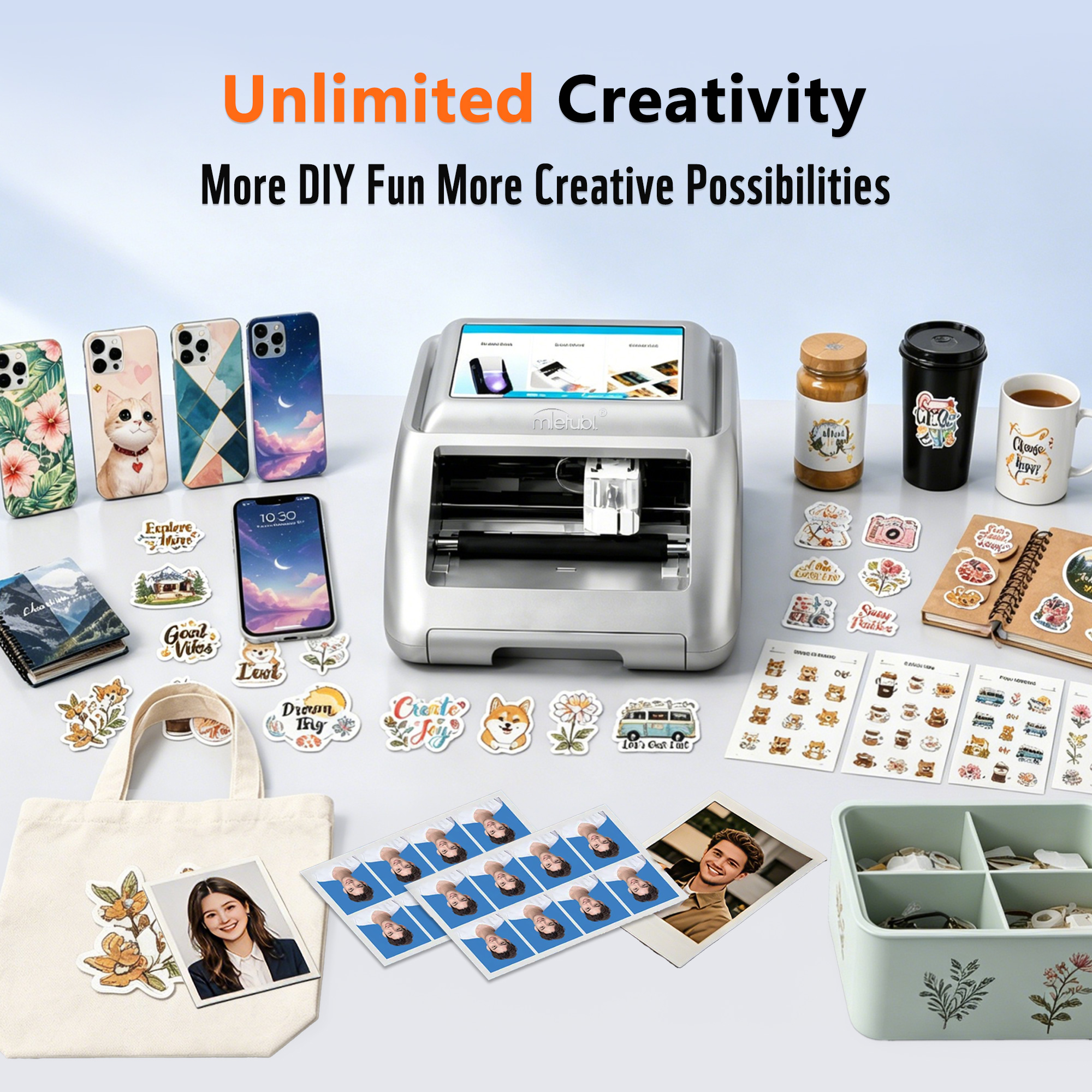
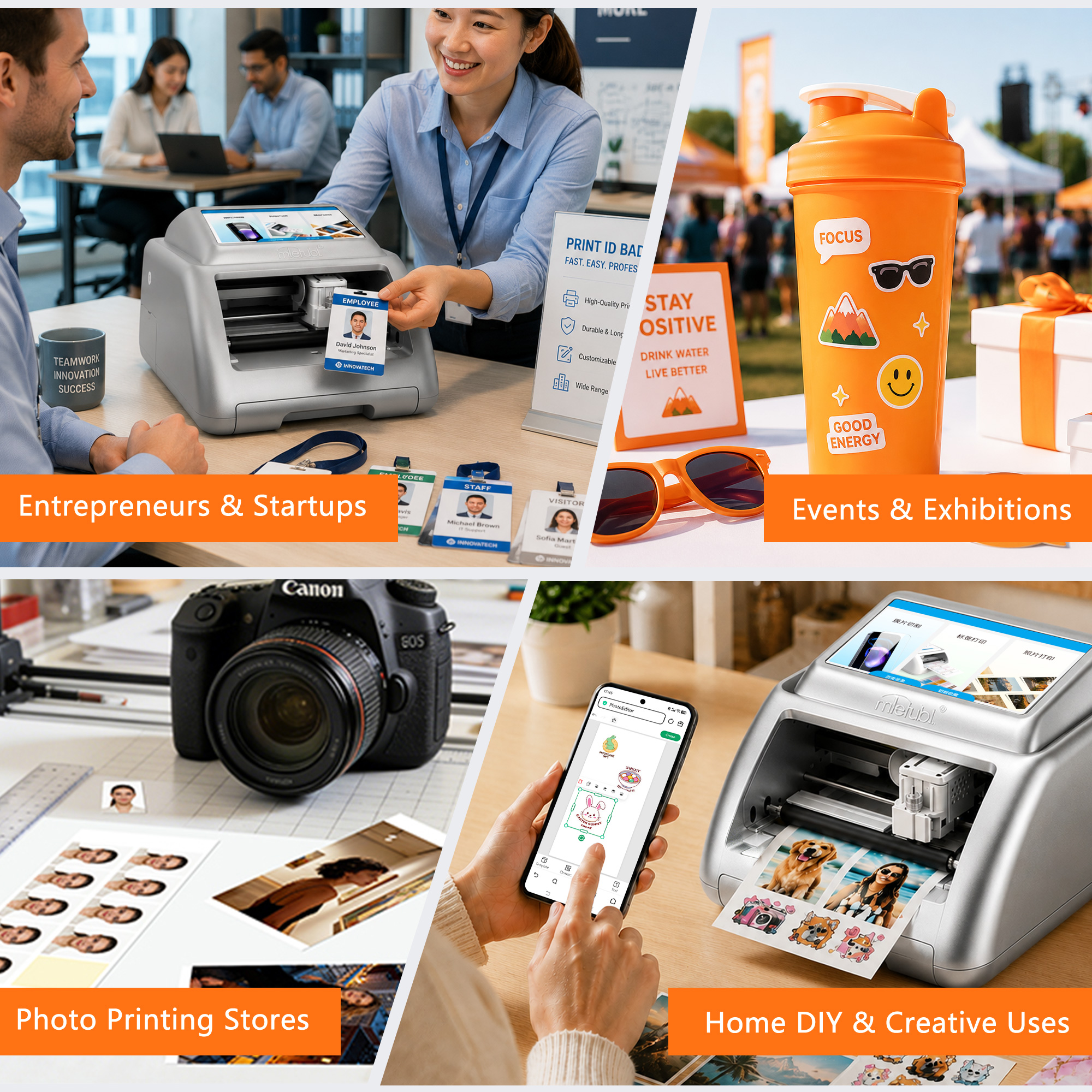
The M888 is presented as supporting multiple finished-product categories, including phone back films, protective films, photos, labels, greeting cards, and custom-shaped stickers. That range is useful for distributors or retailers considering several revenue streams from one compact machine. However, a supported application category does not automatically establish compatibility with every material construction available in that category.
Prepare test media from the intended supply chain, including any variations in surface finish, backing, coating, or sheet behavior. Record the exact material used for each sample so that an acceptable result is not mistakenly applied to a different stock. Testing should also reflect normal storage and handling conditions where these may affect output.
The goal is not merely to confirm that the machine can process a sheet. Buyers should assess whether printing, cutting, removal, handling, and final presentation remain acceptable as one complete production sequence.
Build a Representative Print-and-Cut Sample Plan
A useful sample plan should challenge both common work and difficult work. Begin with a standard design that represents expected daily production, then add fine graphics, curved contours, narrow borders, and irregular shapes. If the business serves several product categories, include at least one commercially relevant design from each category under consideration.
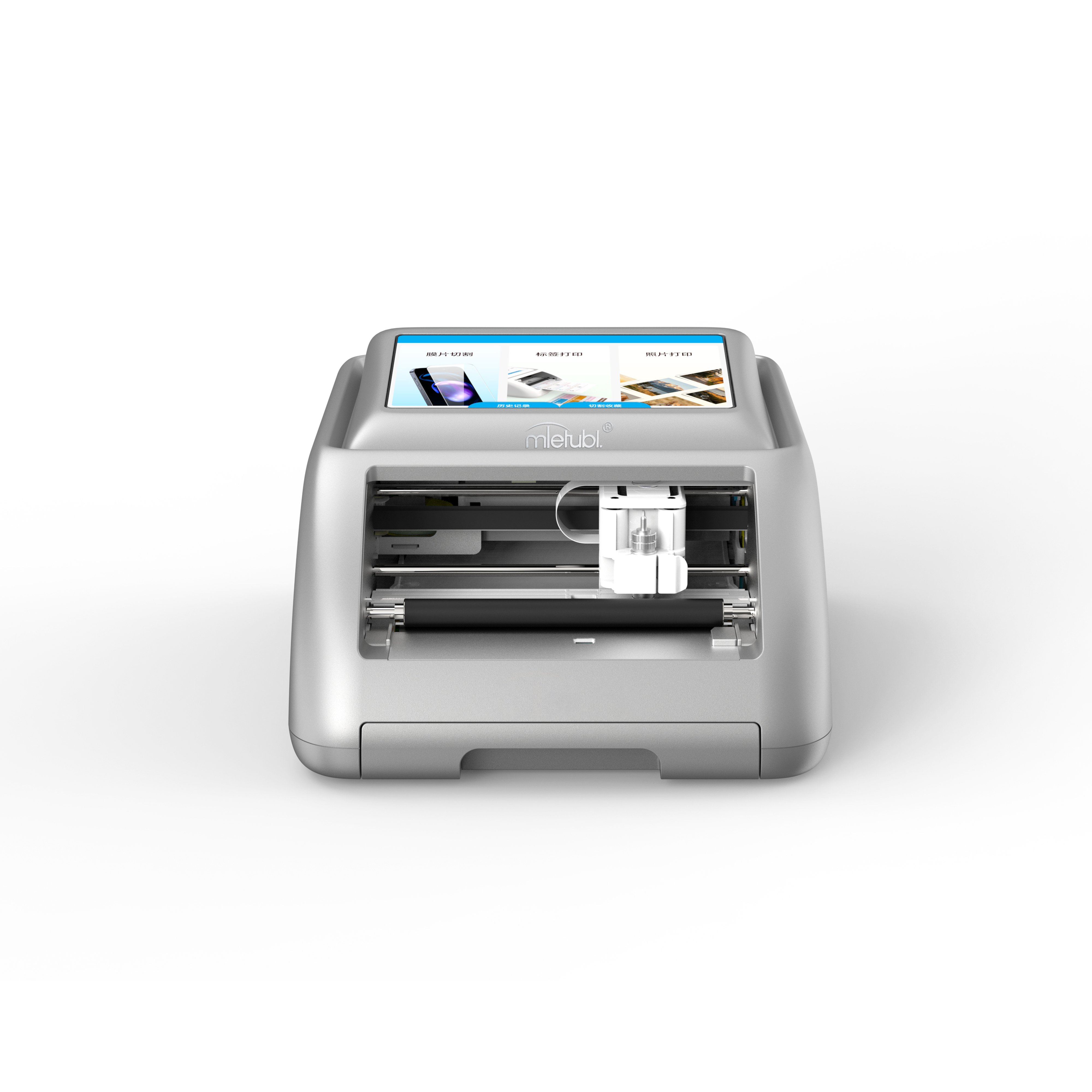
The machine has a stated cutting width of 138 mm, a feeding width of 160 mm, and a stated paper size of 100 × 148 mm. Buyers should use these dimensions to screen proposed jobs before testing, rather than assuming that every design in the broader application list will fit without adjustment.
Run repeated copies rather than approving a single successful piece. Repetition can reveal whether contour placement and visual output remain consistent. It also gives operators an opportunity to evaluate the integrated workflow, which is intended to reduce the number of separate devices and operating steps.
Define Output Acceptance Before Supplier Approval
Acceptance criteria should be written before samples are produced. Otherwise, stakeholders may approve visually attractive pieces without checking whether they meet retail or wholesale requirements. A practical checklist can include:
- Printed detail is sufficiently clear for the intended viewing distance.
- Color appearance is acceptable against the approved artwork or reference.
- Cut contours follow the design within the buyer’s agreed tolerance.
- Edges are clean enough for presentation, removal, and application.
- Repeated pieces show no unacceptable shift in print-to-cut alignment.
- The finished sample remains acceptable after normal handling.
The M888 is described as using high-definition thermal sublimation printing, with water-resistant and fade-resistant output among its selling points. These characteristics should still be verified on the buyer’s chosen media and under the conditions relevant to the finished product. Sample approval should document the test method instead of converting a general product claim into an unconditional guarantee.
Common Questions About M888 Sample Verification
Can one sample confirm compatibility for all materials?
No. Approval should be limited to the tested material, artwork, and process settings. Different media or finishes should receive separate validation when they could change print or cutting results.
Should buyers test the design software functions?
Yes. The available workflow includes built-in templates, image uploading, AI cutout, and AI-generated design functions. Buyers should test only the functions they expect operators to use and confirm that resulting files produce acceptable finished pieces.
What should be kept after approval?
Retain the approved physical sample, artwork version, material identification, operating settings, date, and acceptance record. These items can support later comparisons when materials, designs, or production conditions change.
Conclusion
The MTB-CUT M888 should move forward only when representative materials pass a documented print-and-cut acceptance test. Its integrated workflow and multi-product positioning may reduce equipment and operating steps, but procurement confidence comes from proving compatibility, repeatability, and finished-output quality with the buyer’s actual jobs.
About Mietubl
Mietubl is a Guangzhou-based mobile accessories brand whose name reflects its guiding idea: Make It Easier To Use, Better Life. With roots in the mobile accessories industry dating to 1998 and the MIETUBL brand registered in 2010, the company focuses on products that make everyday digital use simpler and more practical.
Its portfolio includes screen protectors, intelligent screen protector cutting machines, film materials, data cables, chargers, power banks, and audio accessories. By combining design, product development, manufacturing, and channel support, Mietubl works with distributors and retailers serving a broad range of mobile accessory needs, with products exported to more than 120 countries and regions.
For product information, samples, or distribution opportunities, contact Marketing@mietubl.com or visit www.mietubl.com.
Was this article helpful?
Your feedback helps us improve future articles.