
Your counter is ready to remove a tempered glass screen protector only when staff have a validated, model-specific procedure and a controlled workspace. For Mietubl Antistatic Glass, adhesive thickness varies by phone model, while the approved product data does not define removal tools, temperature, timing, or a universal lifting technique. Buyers should therefore pilot the workflow before offering removal across multiple models.
Tempered Glass Removal Readiness at a Glance
- Check the exact model: The Antistatic Glass uses different adhesive thicknesses depending on the phone model, so staff should not assume that every protector will behave identically.
- Separate removal from installation: Define distinct areas or stages for taking off the old protector, inspecting the device, and applying the replacement.
- Control the environment: The replacement process should take place in a workspace where dust exposure and unnecessary handling can be limited.
- Set stop conditions: Staff need clear instructions for cases involving existing screen damage, severely broken glass, uncertain product identity, or unexpected adhesive behavior.
- Pilot before rollout: Test the procedure on the intended model range and record exceptions before deployment across stores or service counters.
How Much Counter Space Does the Workflow Need?
The approved data does not prescribe a counter size, so buyers should determine space from the number of separated tasks. At minimum, the layout should support device intake, removal, post-removal inspection, and replacement without mixing discarded material with clean installation components.
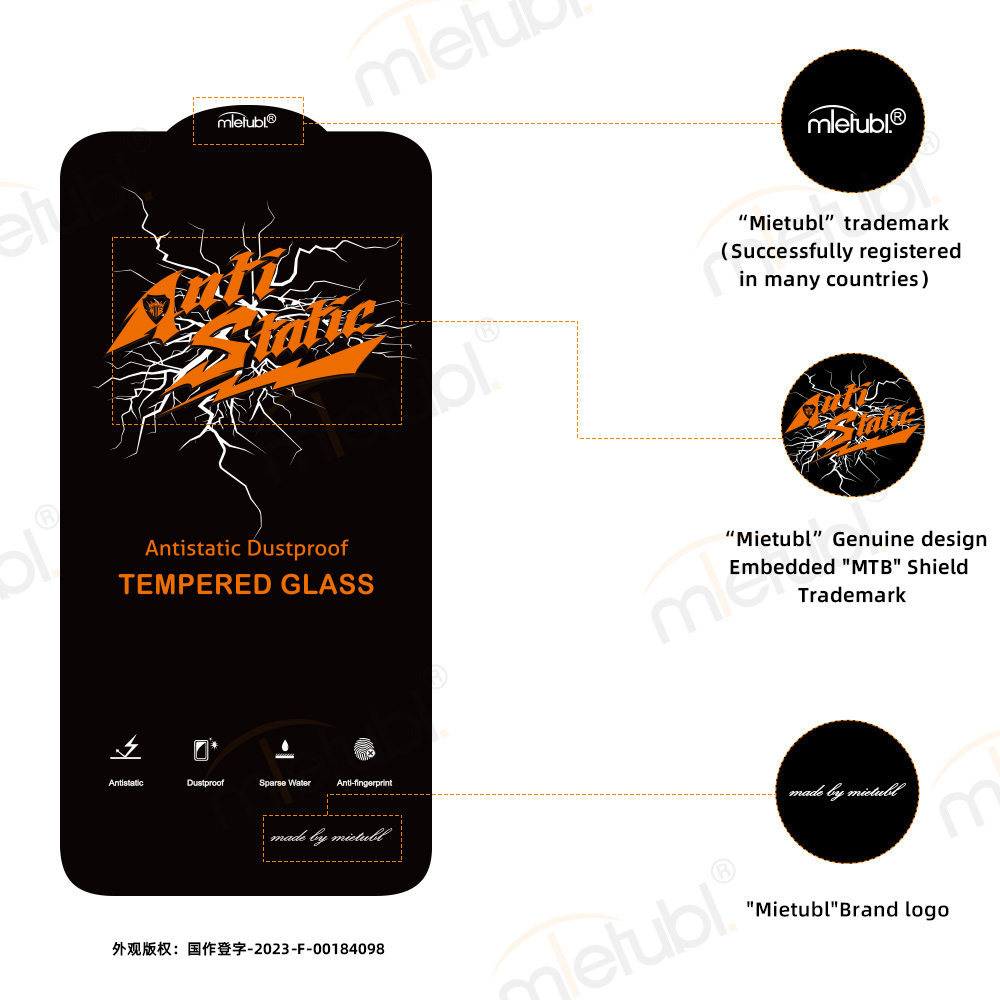
Mietubl Antistatic Glass is made with 0.4 mm high-alumina glass and uses 280–380 um antistatic AB adhesive, with the adhesive thickness selected according to the model. That variation makes model identification an operational requirement rather than an optional administrative step.
A practical counter plan may assign one marked position for the phone, one for replacement materials, and one for removed protectors and packaging. Buyers should confirm that this arrangement fits the available counter before setting service-time targets or assigning multiple devices to one employee.
Which Operating Conditions Should Be Controlled?
The product’s antistatic material is intended to reduce the attraction of dust and particles during installation. This supports a cleaner replacement process, but it should not be treated as a substitute for workspace control. Retailers should decide how the counter will limit dust, interruptions, and unnecessary movement while the screen is uncovered.
Lighting should also be assessed during the pilot because employees need to recognize the protector edge, existing screen condition, and any material remaining after removal. The source does not establish a required lighting level, removal temperature, or environmental range, so these points should be validated under the actual store or service-center conditions.
If removal and installation happen at the same station, the operating procedure should specify when the surface is reset and when clean replacement materials may be opened.
What Staff Workflow Should Be Validated?
- Identify the phone model and protector: Confirm that the device matches the planned service scope and that staff are not relying on a single universal method.
- Record the incoming condition: Establish a consistent inspection step for visible screen or protector damage before work begins.
- Follow the approved removal procedure: Use only the method validated by the buyer for that model and protector condition. The available product information does not authorize a specific tool or lifting technique.
- Inspect before replacement: Check whether the device is ready for the next installation stage under the retailer’s own acceptance criteria.
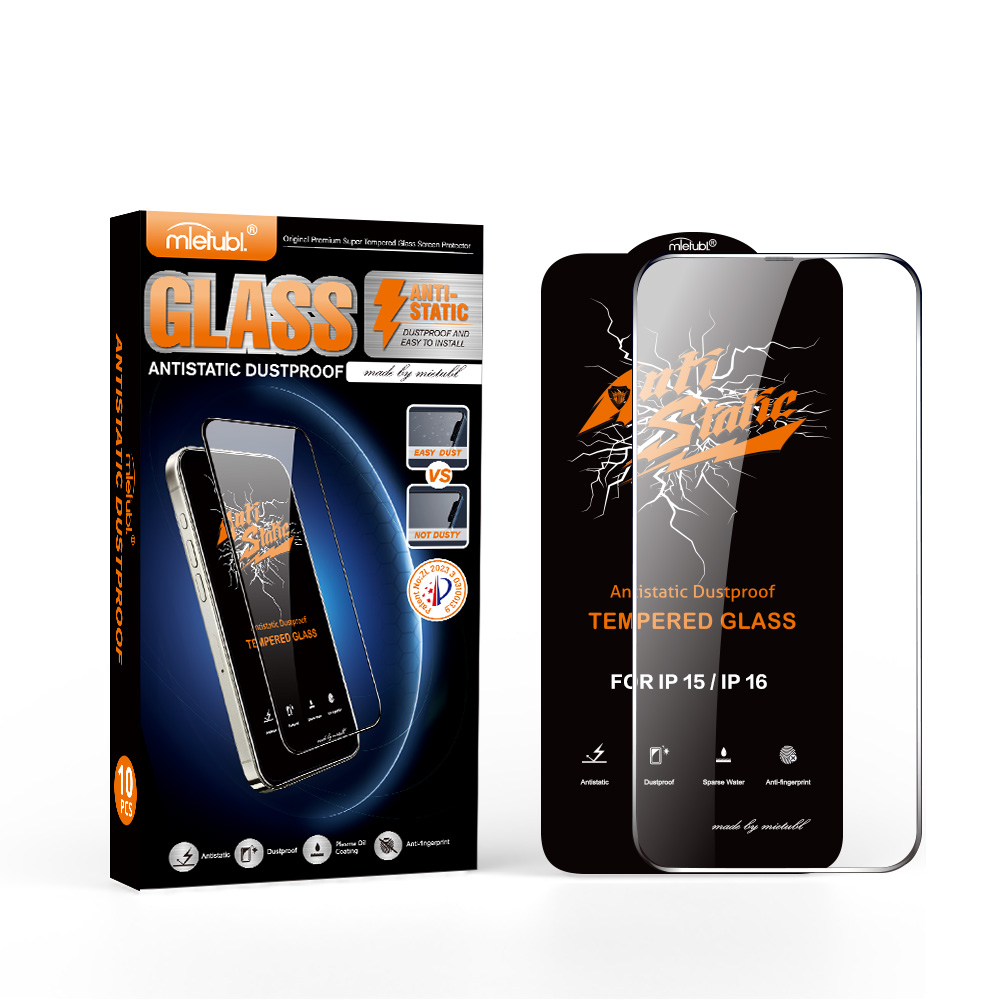
- Install and verify: The replacement product uses an adhesive layer designed for fast, bubble-free fitting and has polished curved edges. Staff should still perform the organization’s defined visual and touch checks.
Training should cover normal cases, exceptions, escalation, and documentation. A short checklist may produce more consistent execution than relying on individual employee habits.
What Should a Rollout Check Include?
Before expanding the service, run a limited pilot using the phone models expected at the counter. Record whether model identification is reliable, whether the workspace remains organized, and which conditions cause staff to stop or escalate the job.
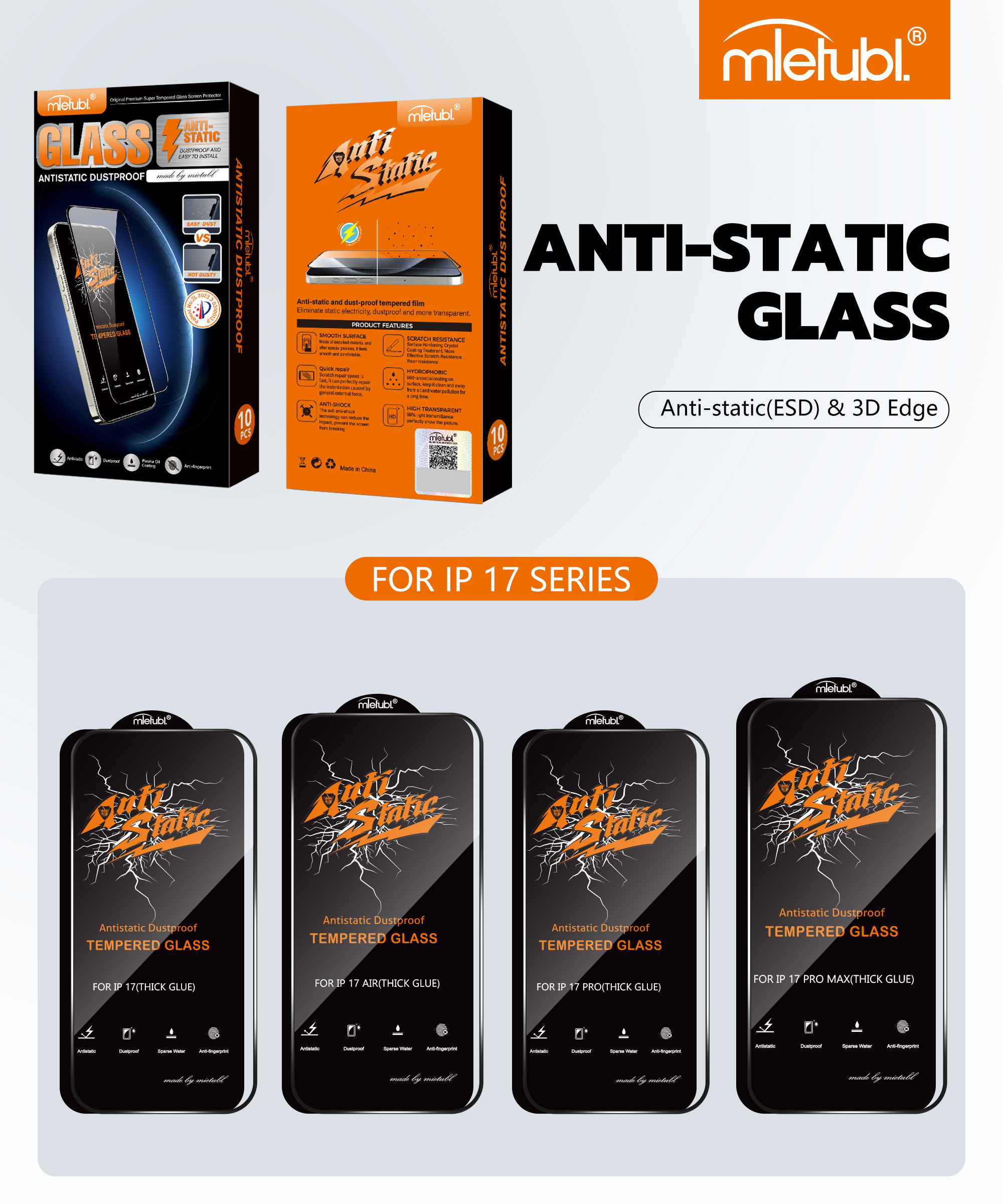
Procurement teams should also confirm that product labels, internal SKU records, and training materials distinguish model-specific adhesive configurations. If staff cannot identify the correct item quickly, a broader rollout may create avoidable process variation.
Approval should depend on repeatable workflow execution rather than a successful demonstration on one device. Any removal-time promise, tool requirement, or residue expectation should remain unclaimed until it has been validated separately.
Common Questions
Can staff use one removal method for every phone model?
That should not be assumed. The approved product data states that adhesive thickness varies by model, so buyers should validate procedures across the intended model list.
Does antistatic adhesive eliminate the need for a clean counter?
No. The antistatic material is intended to reduce dust and particle attraction during installation, but retailers should still establish suitable workspace controls.
Is the product data enough to set a removal-time target?
No. It provides construction and installation-related information but does not specify removal timing. Service targets should be based on a controlled pilot.
Conclusion
Deploy tempered glass removal only after the counter layout, operating environment, model identification, staff sequence, and exception rules have been tested together. For Mietubl Antistatic Glass, a model-aware pilot is the appropriate decision because the available data supports product construction and installation value but not a universal removal technique.
About Mietubl
Mietubl is a Guangzhou-based mobile accessories brand whose name reflects its guiding idea: Make It Easier To Use, Better Life. With roots in the mobile accessories industry dating to 1998 and the MIETUBL brand registered in 2010, the company focuses on products that make everyday digital use simpler and more practical.
Its portfolio includes screen protectors, intelligent screen protector cutting machines, film materials, data cables, chargers, power banks, and audio accessories. By combining design, product development, manufacturing, and channel support, Mietubl works with distributors and retailers serving a broad range of mobile accessory needs, with products exported to more than 120 countries and regions.
For product information, samples, or distribution opportunities, contact Marketing@mietubl.com or visit www.mietubl.com.
Was this article helpful?
Your feedback helps us improve future articles.