
For buyers deciding between on-demand production and model-specific finished stock, the MTB-CUT M888 is best positioned as an inventory-flexibility tool. Its integrated printing and cutting functions allow selected products to be made after demand appears instead of pre-stocking every design or device variation. Finished inventory can still serve fast-moving, predictable demand, but the M888 may reduce exposure to slow-selling variants.
Make the Inventory Decision by Demand Pattern
The central question is not whether all finished stock should disappear. It is which items justify advance purchasing and which can be produced when ordered. High-volume products with stable sales may remain suitable for finished inventory. Uncertain models, localized designs, seasonal graphics, and lower-volume variations may be better candidates for on-demand production.
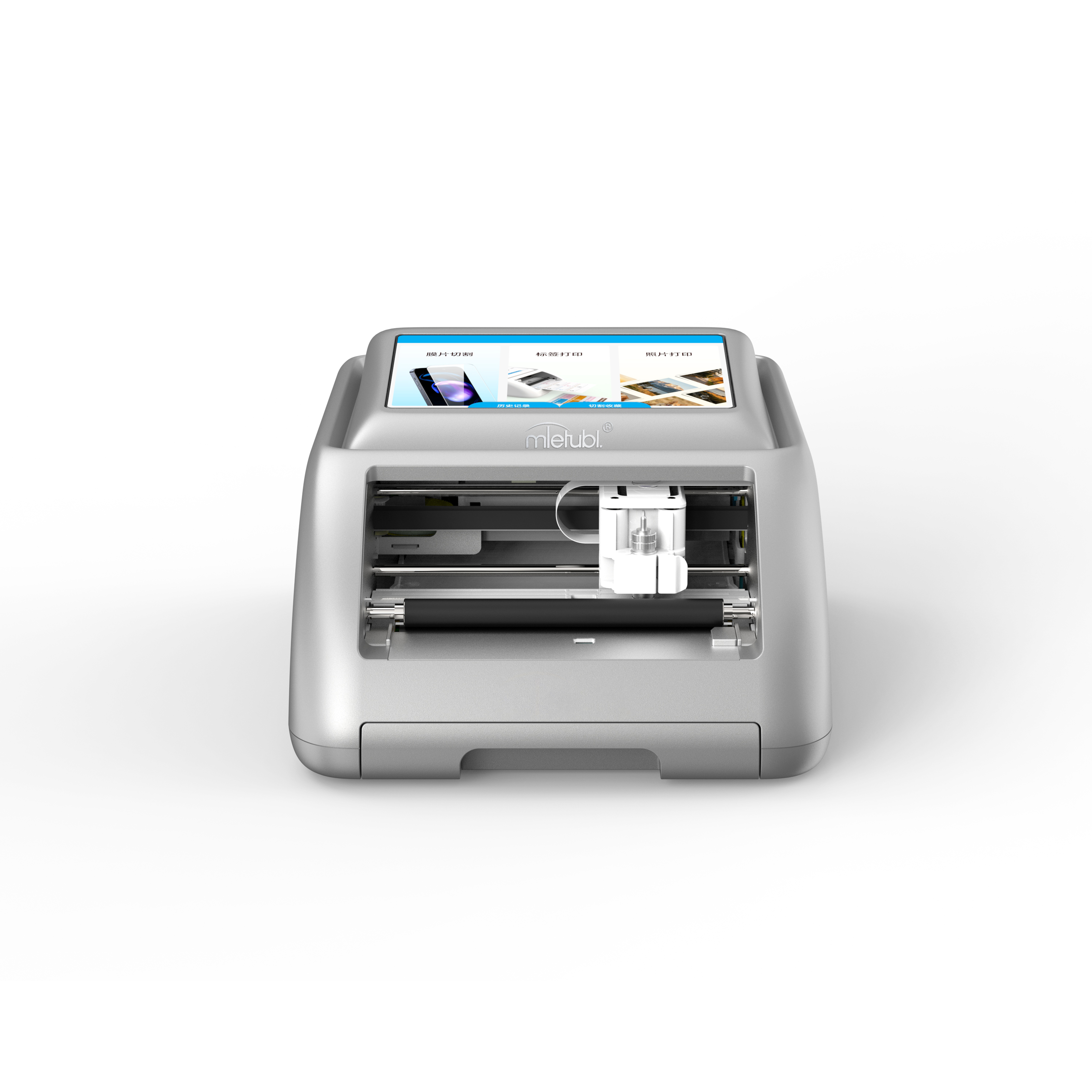
Key inventory-planning takeaways include:
- Keep proven sellers ready: Finished stock can support frequently requested items where immediate fulfillment is essential.
- Delay uncertain variants: Use on-demand output for products whose model, artwork, or sales volume is difficult to forecast.
- Consolidate workflows: Integrated printing and cutting reduces the need to coordinate separate devices and operating steps.
- Test before expanding: The approved minimum order quantity is one machine, which can support a controlled store or workshop trial.
Shift More Variants to On-Demand Production
The M888 supports mobile phone back films, protective films, photos, labels, and greeting cards. This product range gives distributors and retailers more than one way to use the same machine. Instead of committing to finished quantities for every artwork or application, a buyer can select suitable categories for production closer to the point of sale.
This approach may be particularly useful where customer preferences change quickly. A retailer can retain finished inventory for standard products while using the machine for personalized images, less common designs, or short promotional runs. Buyers should still confirm compatible consumables and production requirements for each intended application before setting an inventory target.
Use Digital Design Tools to Reduce Variant Commitments
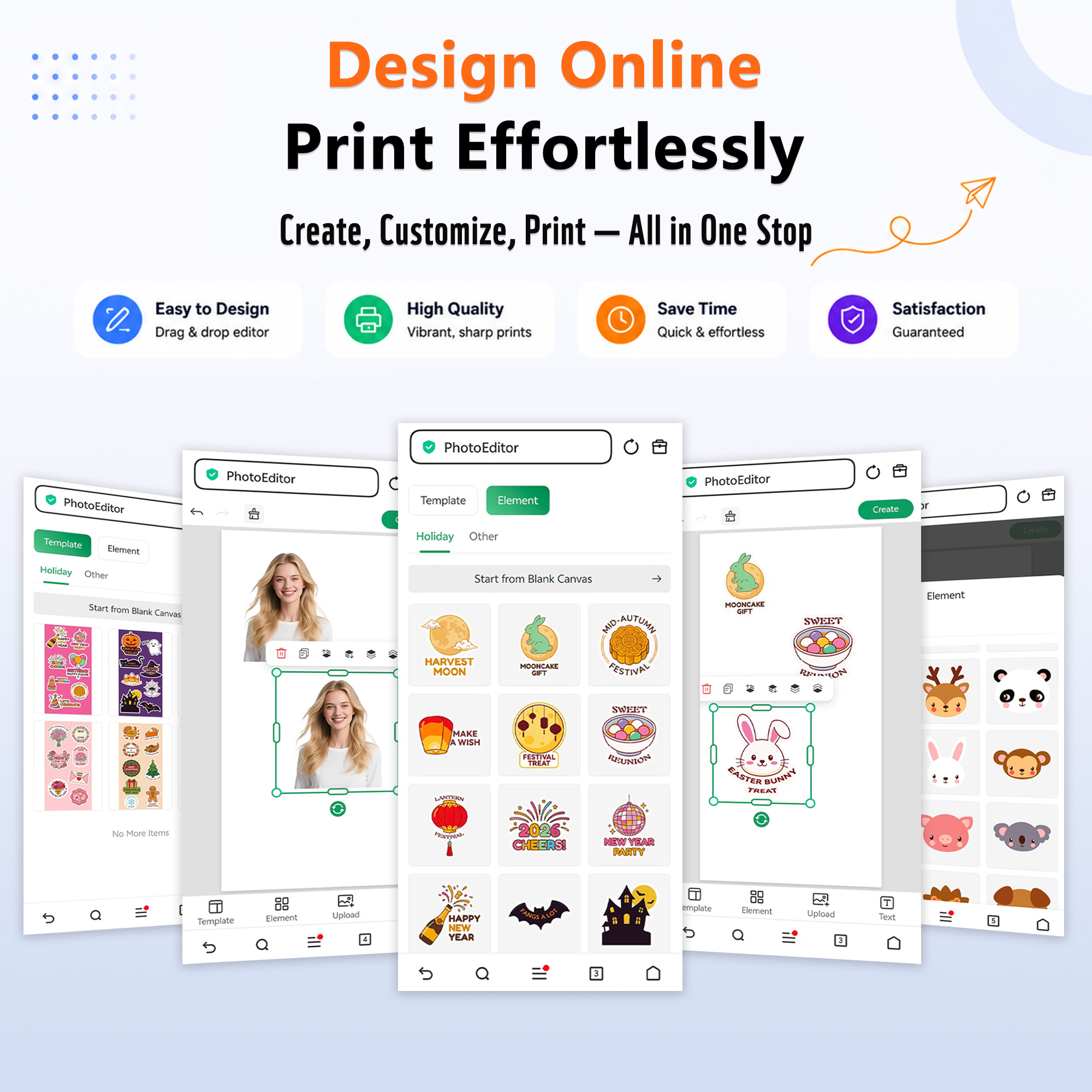
Built-in templates, image upload, AI background removal, and AI-assisted design functions can support a more responsive assortment. These features do not eliminate the need for merchandising decisions, but they can reduce dependence on a separate finished product for every design choice.
For professional buyers, the inventory value comes from postponing the final design decision. A distributor may hold fewer completed visual variants and generate selected outputs only when a customer, retailer, or local campaign requires them. QR-code operation can also make the workflow more accessible in stores or studios where staff need a straightforward production process.
Balance Finished Stock Against Service Capacity
On-demand production transfers part of the planning burden from finished-goods forecasting to operating capacity. Buyers should assess how many orders staff can process, which products customers expect immediately, and whether production will take place centrally or at individual retail locations.
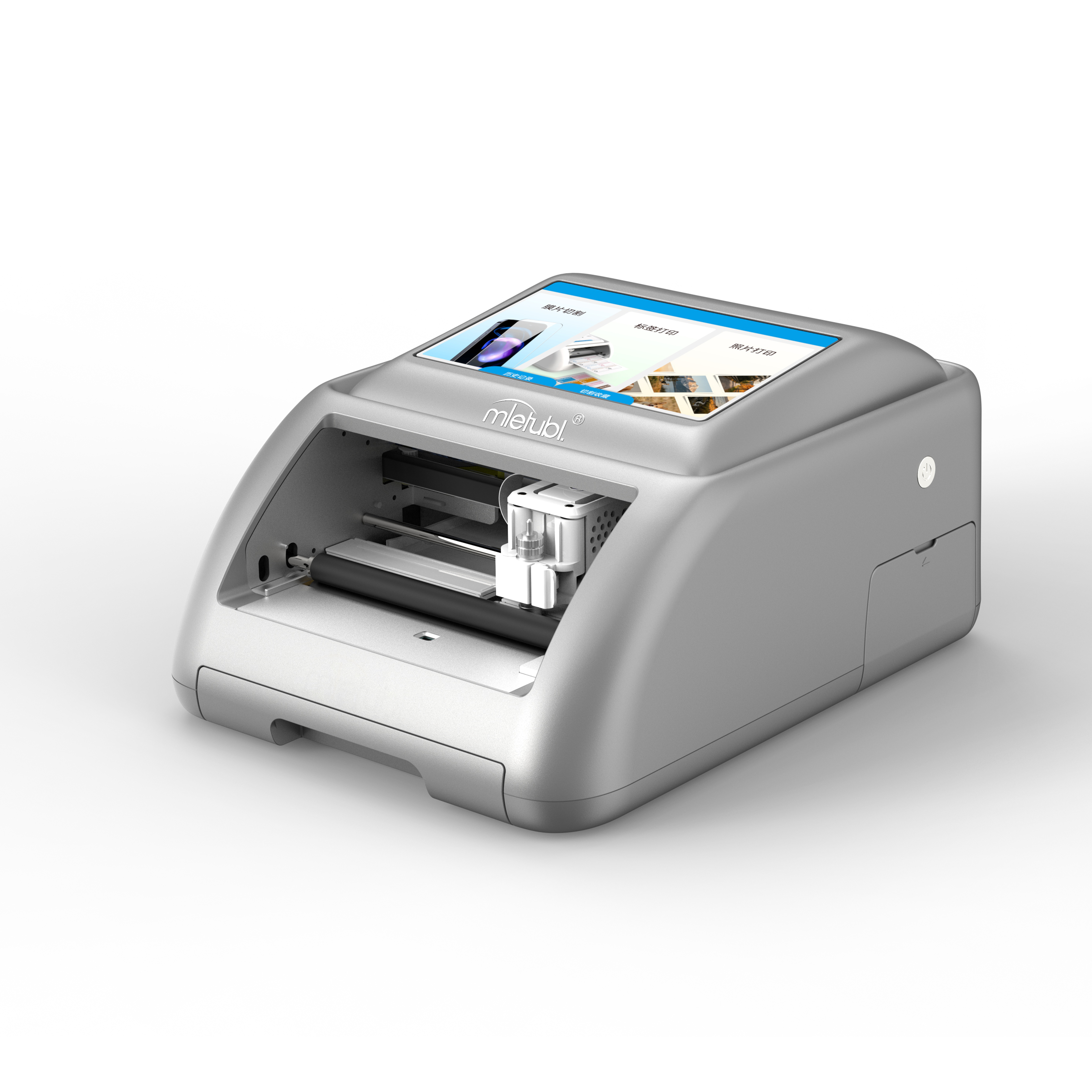
The M888 combines high-definition dye-sublimation printing with contour cutting specified at up to approximately 0.1 mm. That combination supports shaped sticker and customized output workflows, but samples should be evaluated against the buyer’s required appearance, fit, and material before commercial rollout.
A practical hybrid plan can divide the assortment into three groups: core finished stock for predictable sellers, on-demand items for variable designs, and test items produced in small batches until demand becomes measurable. This structure may help prevent experimental products from consuming the same inventory budget as established lines.
Common Questions About M888 Inventory Planning
Can the M888 replace all model-specific finished stock?
Not necessarily. Finished stock may remain appropriate for fast-moving products that require immediate handover. The M888 is more useful for postponing production of uncertain, customized, or lower-volume variations.
Which products are suitable for an on-demand trial?
Approved applications include phone back films, protective films, photos, labels, and greeting cards. Buyers should begin with products that match local demand and confirm the required materials before launch.
How should a distributor evaluate the machine before wider deployment?
Run a pilot using representative designs and order patterns. Measure staff handling, acceptable output, material use, and the percentage of variants that can move from finished stock to production after demand is known.
Conclusion: Adopt a Hybrid Inventory Model
The MTB-CUT M888 is a stronger fit for buyers seeking to reduce commitments to uncertain finished variants without abandoning ready stock for proven sellers. Start with a focused on-demand assortment, validate the operating workflow, and expand only where postponed production improves inventory control and customer choice.
About Mietubl
Mietubl is a Guangzhou-based mobile accessories brand whose name reflects its guiding idea: Make It Easier To Use, Better Life. With roots in the mobile accessories industry dating to 1998 and the MIETUBL brand registered in 2010, the company focuses on products that make everyday digital use simpler and more practical.
Its portfolio includes screen protectors, intelligent screen protector cutting machines, film materials, data cables, chargers, power banks, and audio accessories. By combining design, product development, manufacturing, and channel support, Mietubl works with distributors and retailers serving a broad range of mobile accessory needs, with products exported to more than 120 countries and regions.
For product information, samples, or distribution opportunities, contact Marketing@mietubl.com or visit www.mietubl.com.
Was this article helpful?
Your feedback helps us improve future articles.