
If touch sensitivity declines after a screen protector replacement, buyers should first verify model compatibility, adhesive configuration, fit, and installation quality. Mietubl Antistatic Glass is designed to retain responsive touch operation, but professional procurement should still require model-level samples and acceptance tests before a volume order. A general material description is not enough to establish performance across an entire device list.
Procurement decision: what must be confirmed before ordering?
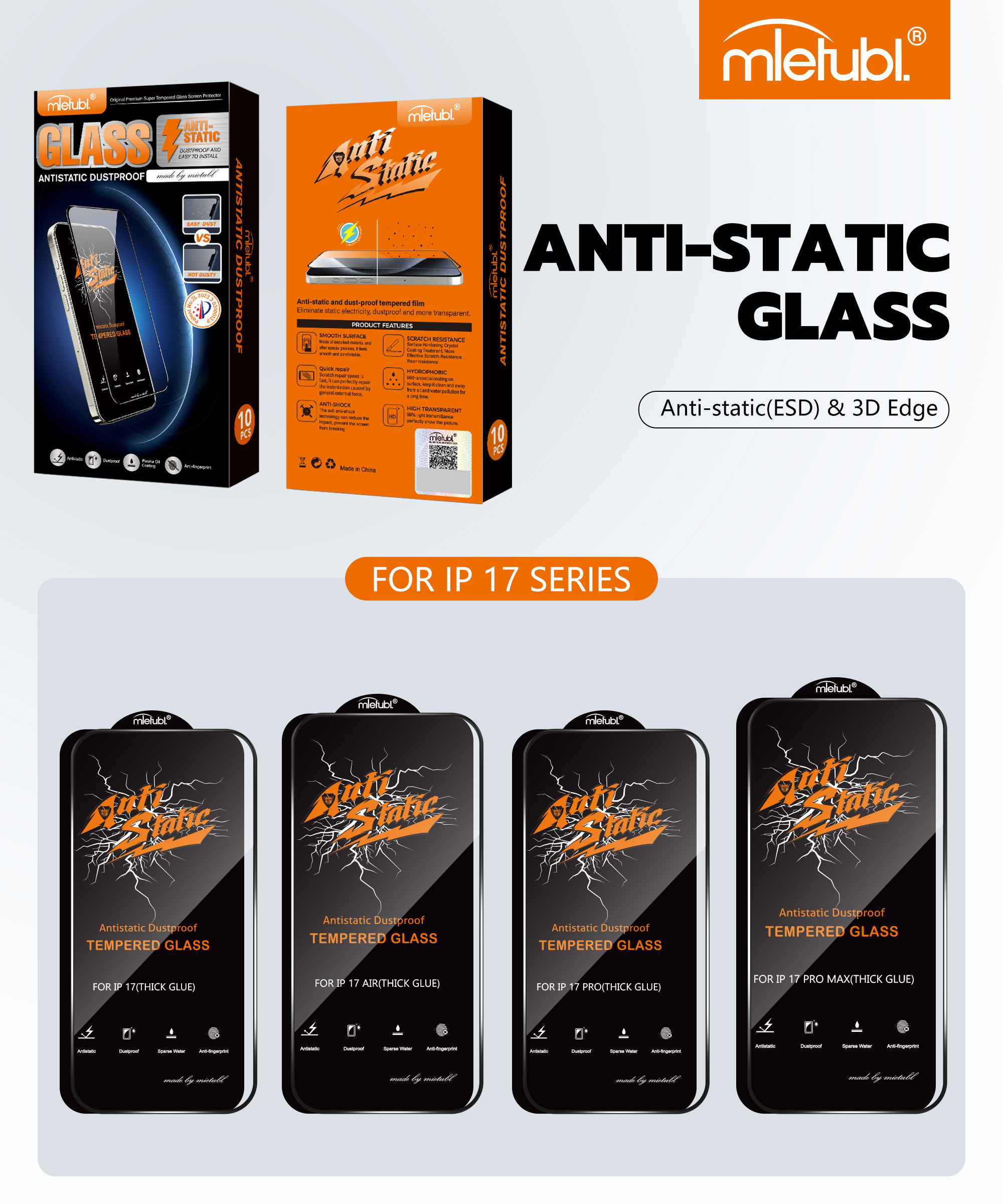
The central buying decision is whether the protector has been validated for each intended phone model. Mietubl Antistatic Glass uses 0.4 mm high-alumina glass and model-dependent antistatic AB adhesive between 280 and 380 um. Because the adhesive thickness changes by model, buyers should confirm the exact configuration assigned to every SKU rather than approve one sample as representative of all models.
Key decision criteria:
- Confirm the phone model, screen shape, and corresponding protector SKU.
- Request the specified adhesive thickness for each model.
- Test tapping, typing, swiping, and edge interaction after installation.
- Define acceptable fit, bubbles, lifting, and touch-response results.
- Approve packaging and model labels against the tested samples.
Confirm the model-specific adhesive and fit
Touch performance should be assessed as part of the complete protector construction. The approved product specification combines high-alumina glass with antistatic AB adhesive and a 120cc curvature. Buyers should ask the supplier to identify which construction applies to each ordered device and confirm that the sample matches the production SKU.
Fit validation is particularly important around screen edges and active touch areas. Procurement teams can request installed samples on actual devices, then check whether the protector sits evenly without local gaps or raised sections. If a portfolio includes several generations of one phone family, each model should be treated as a separate approval item unless compatibility has been demonstrated.
Validate touch response with a repeatable sample test
The product’s approved selling points include high-sensitivity touch intended to preserve the original touchscreen operating feel. For due diligence, buyers should convert that value proposition into a repeatable test rather than relying only on an uninstalled glass sample.
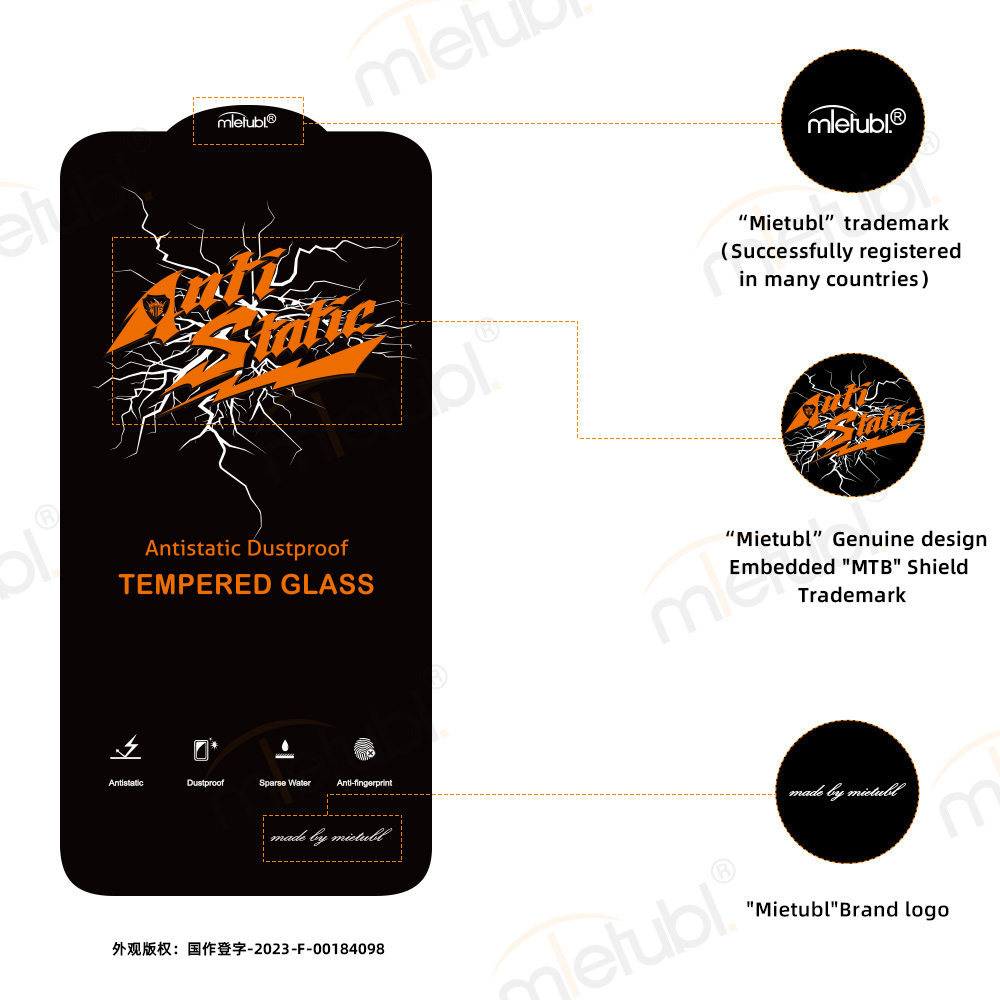
A practical evaluation can include light taps, rapid typing, long presses, scrolling, gesture navigation, and touches near the perimeter. The same actions should be performed before and after installation on the same device. Buyers should record any missed inputs, additional pressure requirements, or inconsistent edge response and agree with the supplier on what constitutes a pass.
Testing should also reflect the intended sales assortment. A result from one flat-screen model may not establish suitability for another screen geometry, so the sample plan should cover representative models and any higher-risk designs in the order.
Inspect installation behavior and production consistency
Installation quality can affect the buyer’s assessment of touch response. Mietubl Antistatic Glass is specified with one-pass air exhaust to the edge, while its antistatic material is intended to reduce the attraction of dust and particles during application. These features can support a cleaner fitting process, but buyers should still evaluate installation under the conditions used by retail staff or end customers.
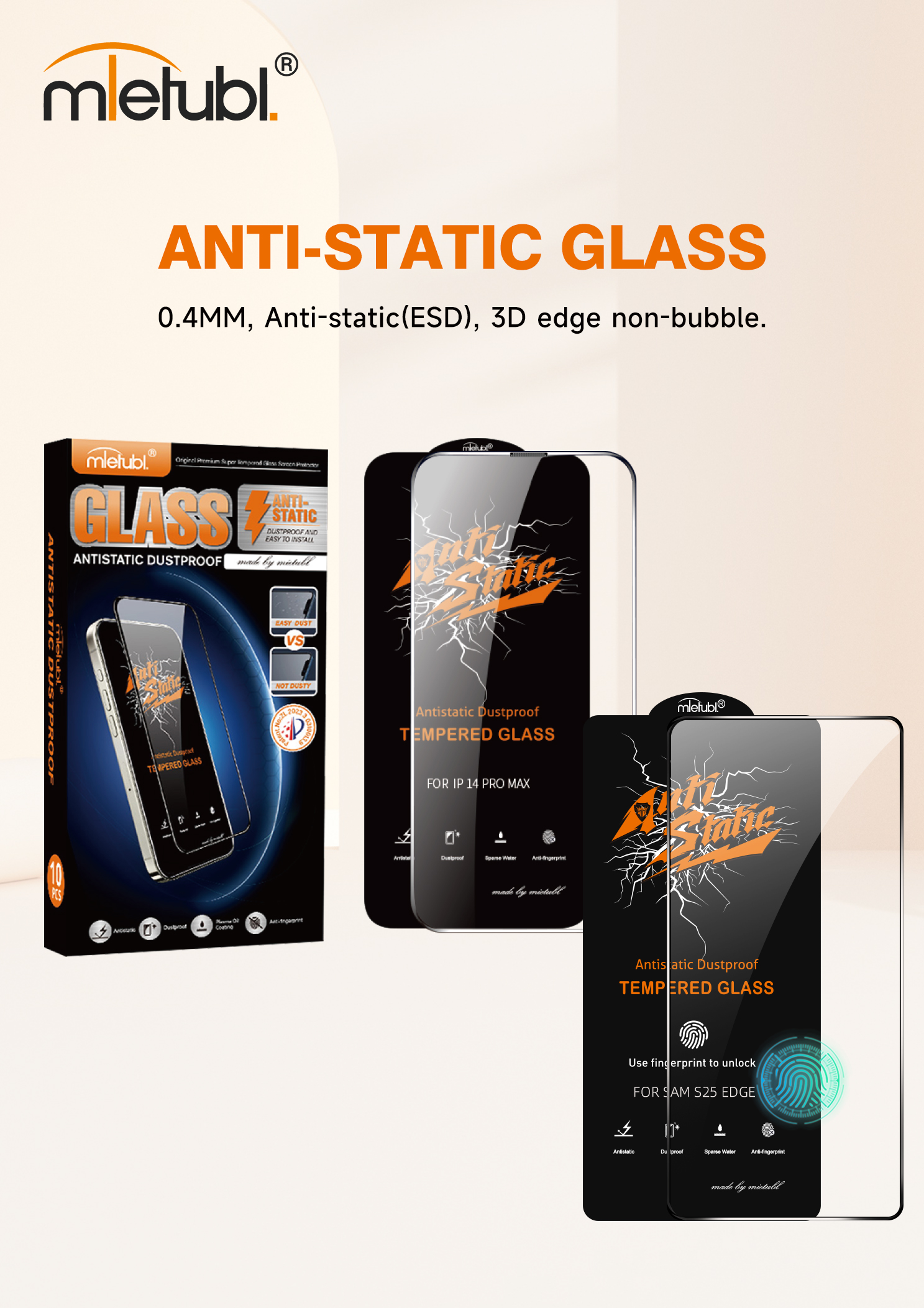
The listed quality inspection method is GB/T2828.1. Before purchase, the buyer should confirm the sampling arrangement, inspection stage, defect classifications, and acceptance criteria to be applied to the order. Touch testing, model labeling, edge fit, trapped particles, bubbles, and lifting should be clearly included where relevant; listing an inspection method alone does not define the complete acceptance agreement.
Common Questions
Can one approved sample cover every phone model?
It should not be assumed. The AB adhesive thickness varies according to the phone model, so buyers should approve representative or model-specific samples based on the final SKU list.
What should buyers do if an installed sample feels less responsive?
Recheck the model match, alignment, full-surface adhesion, trapped particles, and edge contact. Then compare touch operation before and after installation using the same device and test actions.
Does antistatic construction automatically guarantee sensitive touch?
No automatic guarantee should be inferred. Antistatic material is intended to reduce dust and particle attraction during installation, while touch response should be verified separately through installed-device testing.
Conclusion
Mietubl Antistatic Glass can be considered when buyers need clear viewing, screen protection, cleaner installation behavior, and responsive touch as part of the product proposition. The responsible purchasing decision is to approve it only after matching every important model to its specified construction and documenting installation, touch-response, and inspection criteria for production orders.
About Mietubl
Mietubl is a Guangzhou-based mobile accessories brand whose name reflects its guiding idea: Make It Easier To Use, Better Life. With roots in the mobile accessories industry dating to 1998 and the MIETUBL brand registered in 2010, the company focuses on products that make everyday digital use simpler and more practical.
Its portfolio includes screen protectors, intelligent screen protector cutting machines, film materials, data cables, chargers, power banks, and audio accessories. By combining design, product development, manufacturing, and channel support, Mietubl works with distributors and retailers serving a broad range of mobile accessory needs, with products exported to more than 120 countries and regions.
For product information, samples, or distribution opportunities, contact Marketing@mietubl.com or visit www.mietubl.com.
Was this article helpful?
Your feedback helps us improve future articles.